A Beginner’s Guide to Warehouse Safety Standards
Warehouses in the United States are required to follow very strict safety standards to protect their employees. These standards are put in place by OSHA.
When you’re opening your company’s first warehouse, it’s important to research these safety standards and make sure you remain compliant. This will help you avoid devastating injuries and costly fines.
Let’s break down some of the most important warehouse safety standards to follow in your organization.
Hazard Communication
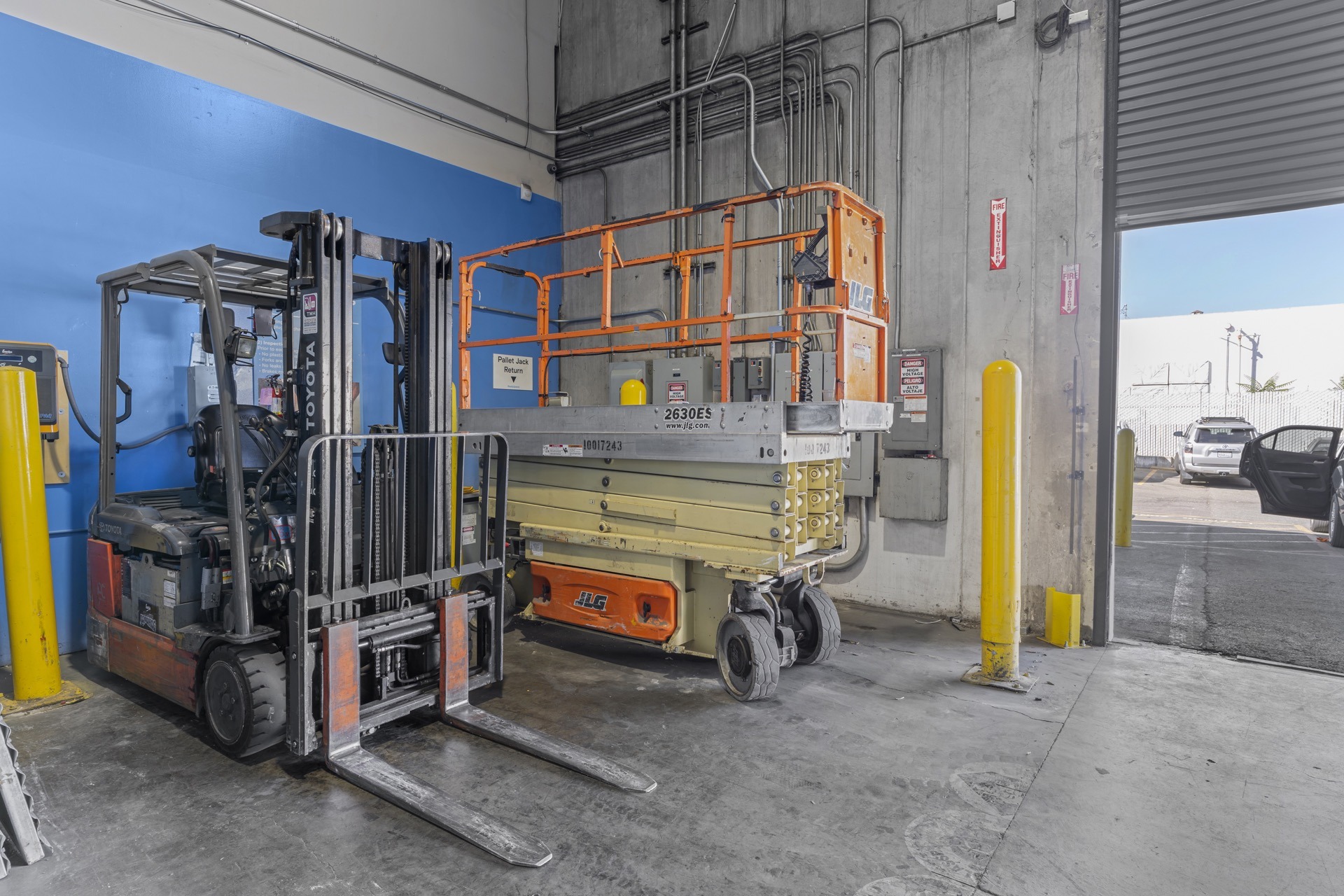
Your employees need to be aware of possible dangers and how to approach them, particularly if they are working with hazardous chemicals. All hazards in the workplace should be properly identified with warning signs and labels.
You should also create Safety Data Sheets (SDSs) for your employees to reference while working. An SDS provides more detail about each hazard, including what it looks like, what makes it dangerous, and how to handle it safely.
Clear Pathways
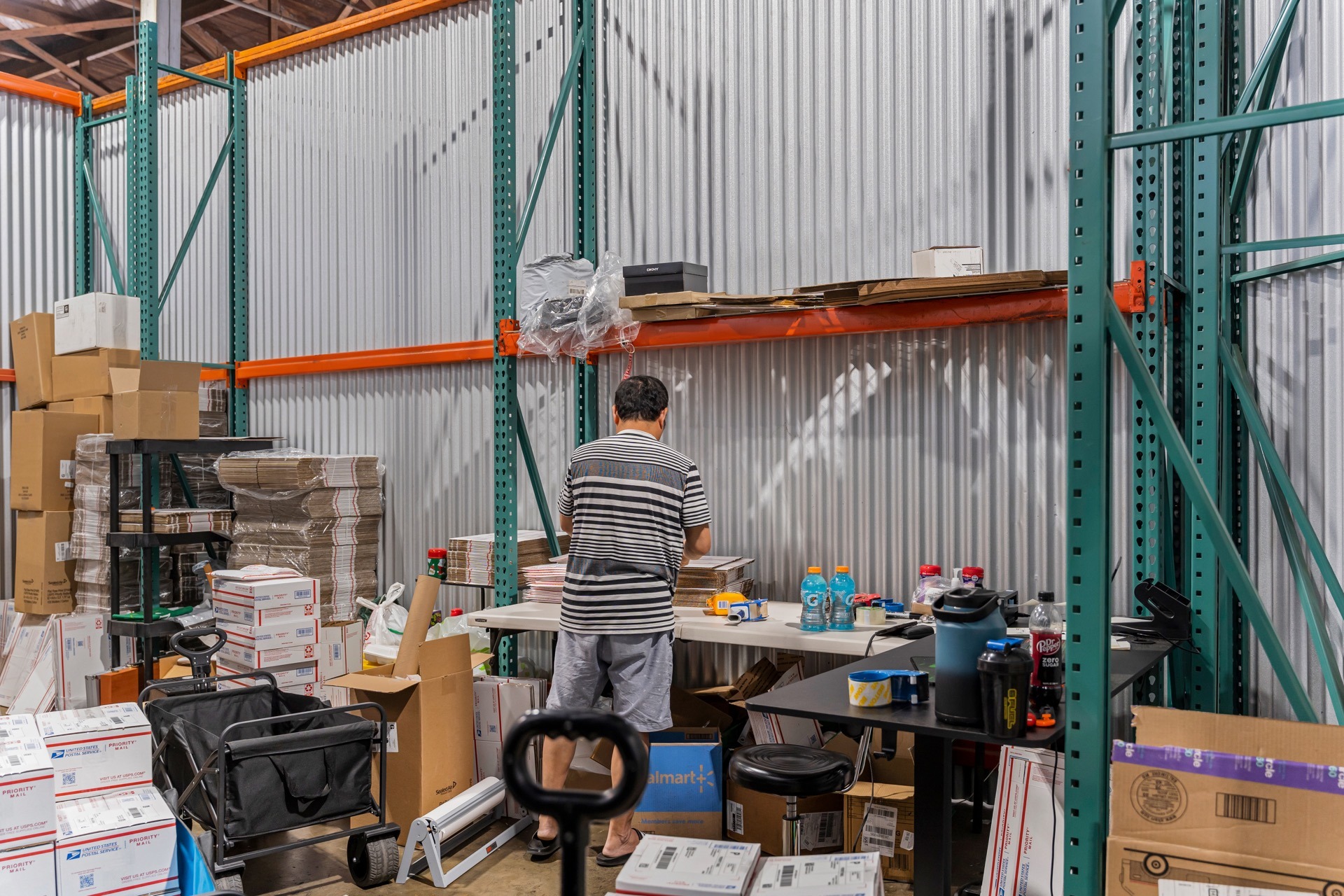
All pathways in your warehouse should be free of obstructions so that your team can move around with ease. In many warehouses, employees need to move around quickly—having clear pathways ensures that they can complete their tasks safely.
This means removing any barriers or objects that employees could trip over. Pathways should also be kept clean and dry so your team members do not slip.
Fall Prevention
Some multi-story warehouses require your employees to work at a significant elevation. For example, you may have a mezzanine or elevated gangway. Employees may also have to use a staircase to reach inventory on high shelves.
To keep your employees safe while in these elevated areas, you should implement fall prevention methods. Depending on the layout of your warehouse, this could include placing guardrails around elevated areas and/or placing safety netting in specific locations to prevent falls.
Additionally, you may require employees to wear restraints or protective equipment when doing certain tasks. This could mean wearing a hard hat or even a harness while working.
Personal Protective Equipment
If your team works with chemicals or other potentially harmful substances, they should wear personal protective equipment (PPE) while working. Examples of PPE include masks, eyeglasses, and face shields.
PPE helps prevent employees from inhaling dangerous chemicals, or getting these chemicals in their eyes. As an added bonus, PPE can help prevent illness from spreading throughout your warehouse.
It’s important that your team knows how to use PPE correctly. Teach your employees how to wear items like masks and face shields, and how to clean them in between uses.
Employee Training
Regular safety training for your employees helps everyone avoid accidents in the workplace. New employees should learn how to do each task safely before working on their own. In particular, focus on the correct techniques for transporting and lifting heavy objects.
On top of that, encourage employees to communicate when they feel unsafe in the workplace. Set and communicate official reporting practices, such as talking with a manager or even using an anonymous tip line. Open dialogue with your team can help you improve your safety practices as your company grows.
Looking for safe warehouse space for your company? ReadySpaces offers flexible warehousing solutions across North America. Get in touch today to learn more.