The History of Multi-Story Warehouses
Multi-story warehouses are essential commercial and industrial spaces that have been used throughout history to keep successful businesses running. With a multi-story warehouse, businesses can develop new products, keep inventory organized, pack shipments, and more.
These warehouses are particularly important for urban areas, where space is limited and every square foot counts. In most cases, they have ramps and loading docks on multiple levels for seamless transportation.
In recent years, there has been a renewed focus on multi-story buildings in the logistics industry. The e-commerce industry is booming, and organizations ranging from startups to major corporations need space for their operations. In major cities, it’s often easier to build up, rather than out, which has led to the popularity of multi-story warehouses.
However, multi-story warehouses are far from being new — they’ve been used in various capacities globally for hundreds of years. Let’s dive into the history of multi-story warehouses and why they’re such an enduring concept in the logistics industry.
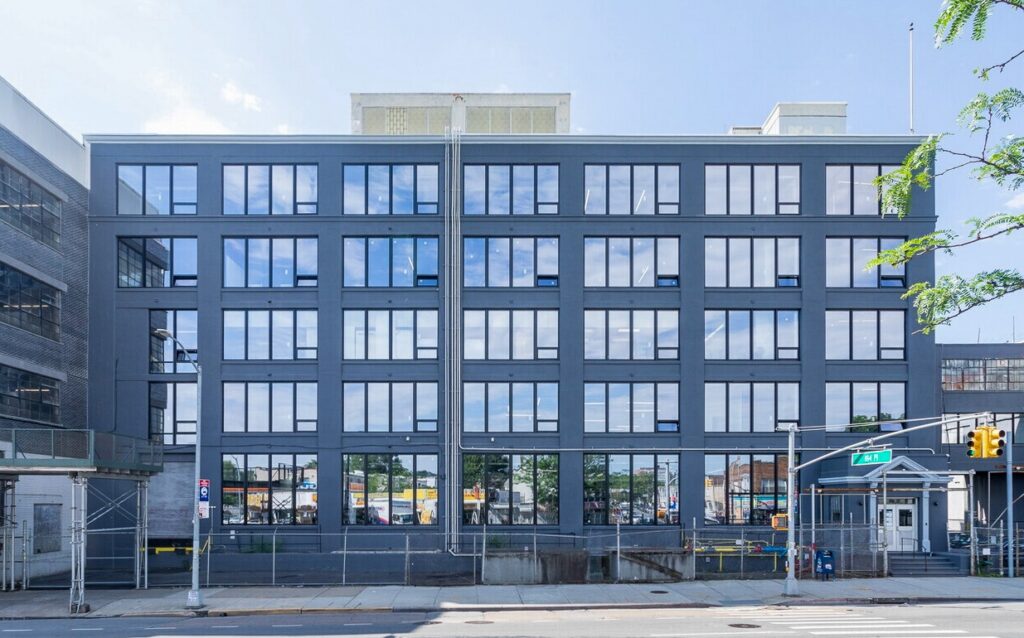
Multi-Story Warehouses Throughout History
Early multi-story warehouses were built in Venice, Italy in the Middle Ages, although they looked very different from shipping warehouses today. They remained common in port cities for hundreds of years afterward and saw a spike in popularity in Great Britain during the Industrial Revolution. Many multi-story warehouses from the late 19th and early 20th century are still standing in London, although some have since been abandoned.
Modern iterations of multi-story warehouses first became popular in Asia. Many major cities in Asia are manufacturing powerhouses that play a crucial role in the global supply chain. These cities are also very dense, which means that developers had to be creative when designing warehouses and logistics solutions.
This resulted in multi-story warehouses, which could be built conveniently in city centers without requiring an oversized lot. These warehouses are particularly common throughout east Asian countries like China and Japan. Some of the tallest multi-story warehouses in the world are located in Hong Kong and are over 20 stories tall.
In recent years, this concept has spread from east Asia to North America, Europe, and beyond. The first modern multi-story warehouse in the United States with multi-level truck loading was built in Seattle in 2018, with similar projects underway in New York and Chicago.
Why Multi-Story Warehouses?
There are many reasons why multi-story warehouses are taking off in popularity. The need for secure commercial and industrial facilities is higher than ever right now. This has forced developers to be innovative, using multi-story designs to maximize square footage.
Multi-story warehouses can also be built in dense urban areas. Many large single-story warehouses are located in suburbs or even in rural areas, which can be very inconvenient for distribution. Multi-story warehouses fit into convenient urban locations and support more efficient shipping routes.
ReadySpaces offers flexible warehouse space in major cities throughout North America, including multi-story options in Queens-Ridgewood, Queens-Jamaica, and Mount Vernon. Each location offers floor plans in a variety of sizes with loading docks, forklifts, conference rooms, and other essentials to support your startup.